

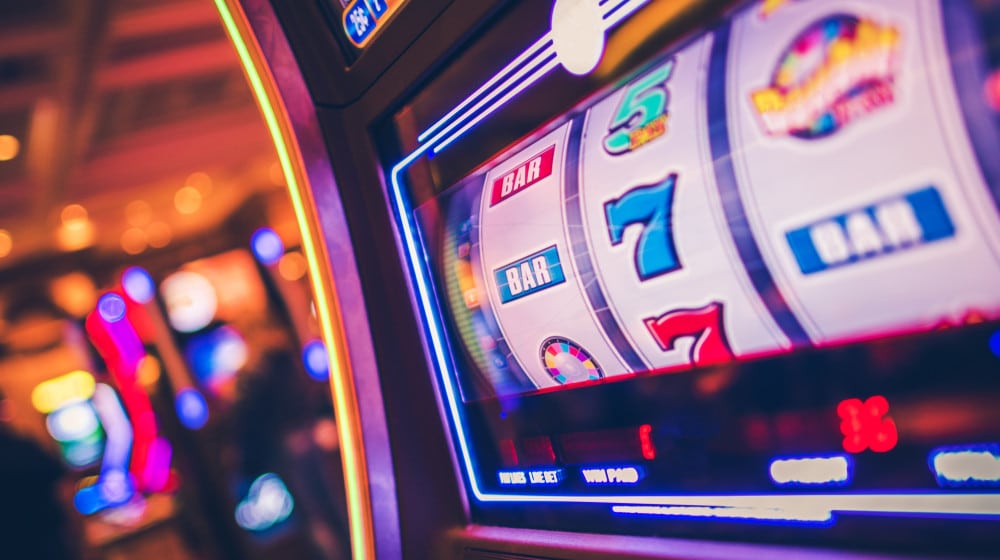
The global gaming industry features a diverse array of entertainment options, ranging from highly analytical card games like poker and blackjack to complex sports forecasting markets. Yet, despite the strategic depth offered by these alternative genres, one specific category consistently dominates casino revenue metrics worldwide: the slot machine. Whether occupying prominent real estate on a physical casino floor or serving as the primary digital library for online gaming platforms, slots outpace their competitors in both user engagement and continuous mass appeal.
The enduring dominance of the slot machine relies on a deliberate design philosophy centered on absolute simplicity. While other casino games enforce strict learning barriers, intense psychological pressure, and social performance anxieties, slot machines remove these obstacles entirely. By evaluating the structural mechanics, cognitive psychological drivers, and behavioral economics of slots, it becomes clear that their radical accessibility is not a limitation, but rather an expertly engineered asset that accommodates a universal human desire for low-friction, high-arousal recreation.
Eliminating the Cognitive Barrier to Entry
The most immediate catalyst for the widespread accessibility of slot machines is the complete absence of a prerequisite skill set. For a novice player, stepping up to a live craps table or sitting down at a blackjack game can feel intensely intimidating. These formats dictate an unwritten code of social conduct, complex hand signals, and intricate mathematical rules where an unforced error can draw public judgment from peers or dealers.
The Instant Universal Interface
Slot machines eliminate this performance anxiety through an intuitive user interface. The operational loop requires exactly two steps: establishing a stake size and pressing a start command. The underlying software handles the complex calculations, payline mapping, and pattern verifications automatically.
A player who has never stepped foot inside a gaming venue can achieve identical operational proficiency as a twenty-year veteran within three seconds of interaction. By removing the fear of making a strategic error, slots create a welcoming environment where the user feels immediate agency and complete psychological comfort.
Speed of Play and Autonomous Engagement
Traditional table games operate on structured, multi-person schedules. Players must wait for cards to be shuffled, chips to be calculated, and opponents to deliberate over their tactical choices. This introduces significant operational friction and down periods.
Slot machines, conversely, operate on a private, high-speed layout. The round resolution occurs in milliseconds, allowing the player to dictate the precise pace of their entertainment session. This private, autonomous environment appeals heavily to individuals who view gaming as a solitary retreat, free from the social demands and pacing constraints of multiplayer tables.
The Neurological Feedback Loop of Low-Friction Play
The physical ease of operating a slot machine is reinforced by a highly sophisticated psychological reward architecture. Human neurobiology is fundamentally engineered to seek out patterns, anticipate rewards, and respond to environmental stimuli. Slot designers leverage these evolutionary traits to construct a deeply engrossing sensory experience.
The Psychology of Unpredictability
Slot machines operate on a variable ratio schedule of reinforcement, a psychological model where rewards are delivered after an unpredictable number of responses. Behavioral research indicates that this exact framework generates the highest level of behavioral persistence in living organisms.
Because the player knows that a major successful pattern could materialize on the very next spin—yet has no means to predict exactly when—the brain remains in a prolonged state of heightened anticipation. This steady production of dopamine transforms the simple act of pressing a button into a highly stimulating loop, completely independent of whether the session yields a long-term profit.
The Sensory Wrap-Around Effect
Modern slot cabinets and digital game applications are masterpieces of sensory engineering. Every visual asset and auditory cue is calibrated to maximize emotional satisfaction.
When a winning pattern lands, the machine reacts with high-frequency light flashes, celebratory animations, and melodic chimes tuned precisely to the musical key of C major, a key universally associated with joy and resolution. Crucially, contemporary machines deliver auditory celebration even during a net financial loss—a scenario where a player wagers two dollars but wins back fifty cents. The machine celebrates the win, masking the financial deficit with positive sensory feedback, which keeps the cognitive atmosphere lighthearted and accessible.
Democratic Financial Dynamics and Scalability
A key competitive strategy that drives the universal adoption of slot machines is their extreme financial flexibility. Traditional casino tables enforce rigid table minimums, often requiring fifteen, twenty-five, or fifty dollars per individual round, which instantly prices out recreational or budget-conscious players.
- Micro-Stakes Democratization: The implementation of penny and nickel denominations allows users to participate in real-money gaming for nominal sums. A player can experience hours of visual entertainment and mathematical anticipation while risking only a fraction of a traditional table buy-in.
- Granular Multi-Line Scaling: While the baseline entry point remains low, modern slots allow for seamless volatility adjustment. A user can scale their wager from a single cent to hundreds of dollars on a single spin by modifying payline distributions and coin multipliers, allowing a single software module to cater concurrently to casual hobbyists and high-rolling enthusiasts.
- The Democratic Dream of the Jackpot: Unlike skill-based games where payouts are tightly bound to the initial stake size, slots offer the unique psychological incentive of asymmetric upside. A micro-stakes player spinning a progressive slot retains a statistical opportunity to trigger a life-changing payout on a single, low-cost spin, providing an intense level of excitement that structured table returns cannot replicate.
Overcoming the Psychological Traps of Gambler Biases
The structural simplicity of slot machines interacts uniquely with common human cognitive shortcuts, creating specific behavioral frameworks that players must consciously navigate to maintain healthy financial boundaries.
Because the physical action of spinning the reels requires zero cognitive effort, many players inadvertently fall victim to the illusion of control. They may believe that pulling a physical lever instead of pressing a digital button alters the random number generation, or that stopping the reels manually dictates the final symbol alignment.
Furthermore, the fast-paced nature of the game makes it easy to succumb to the gambler’s fallacy—the erroneous conviction that because a machine has gone fifty spins without a payout, it is due to hit on the next turn. Modern players preserve the fun of slots by treating the experience strictly as a paid form of visual entertainment, utilizing built-in platform cap tools to regulate their session durations and protect their capital budgets from emotional choices.
Frequently Asked Questions
Does a machine’s physical layout or digital theme alter its underlying win probability?
No, the external theme, visual graphics, and physical cabinet style of a slot machine have absolutely zero correlation with its mathematical win probability. The entire game logic is governed by an isolated, backend microchip running a Hardware Random Number Generator. Whether a slot features a classic three-reel fruit design, a complex cinematic adventure theme, or a high-definition pop-culture branding layout, its mathematical return-to-player percentage remains entirely fixed by the developer code.
What is the specific functional purpose of the hold and nudge buttons on certain slots?
Hold and nudge features, frequently found in classic pub-style fruit machines, allow a player to lock specific reels in place or push a reel down by one position on the subsequent spin. While these tools introduce a minor layer of tactile interaction and decision-making, they do not bypass the house edge. The software calculates the frequency and availability of holds and nudges within its overall random number allocation, ensuring the long-term statistical payout remains perfectly aligned with regulatory parameters.
Why do slot machines display near-miss outcomes so frequently?
The frequent appearance of near-miss outcomes—such as two jackpot symbols aligning perfectly with the third stopping just one millimeter short of the payline—is a natural artifact of modern slot design. In contemporary virtual reel mapping, losing blank spaces adjacent to high-paying symbols are assigned a larger quantity of random number values than the jackpot symbol itself. This ensures the physical reels stop near the winning configuration frequently, triggering a high sensory response that the human brain interprets as a sign that success is close at hand.
Can an online casino operator manually lower a slot’s payout rate during peak weekend hours?
No. In legally regulated and licensed jurisdictions, operators possess absolutely zero technical authority or systemic access to modify a slot machine’s return-to-player configuration on the fly. Payout configurations are deeply embedded within the developer’s certified software code and validated by independent third-party testing laboratories before deployment. Any attempt to alter these parameters mid-session would require a total system shutdown, fresh code submission, and formal regulatory re-certification.
What is the difference between a flat-top slot and a progressive slot machine?
The difference lies entirely in how the top prize pool is structured and funded. A flat-top slot machine features a fixed, static maximum payout that never changes, regardless of how many times the game is played without a hit. A progressive slot machine links its top jackpot across a massive network of concurrent machines or platforms. A small percentage of every single wager placed across the entire network is funneled directly into a shared jackpot pool, causing the top prize to grow continuously until a random player triggers the winning combination.
How does the concept of volatility affect a player’s choice of slot machines?
Volatility, often referred to as variance, dictates the frequency and size of a slot’s payouts. Low-volatility slots are designed to deliver frequent, small-scale payouts regularly throughout a session, keeping the player’s balance stable and maximizing the overall duration of play. High-volatility slots operate on the opposite spectrum, featuring extended periods of consecutive losses balanced by the statistical capability of delivering massive, high-value payouts when a pattern finally hits, requiring a much more disciplined bankroll management approach.