

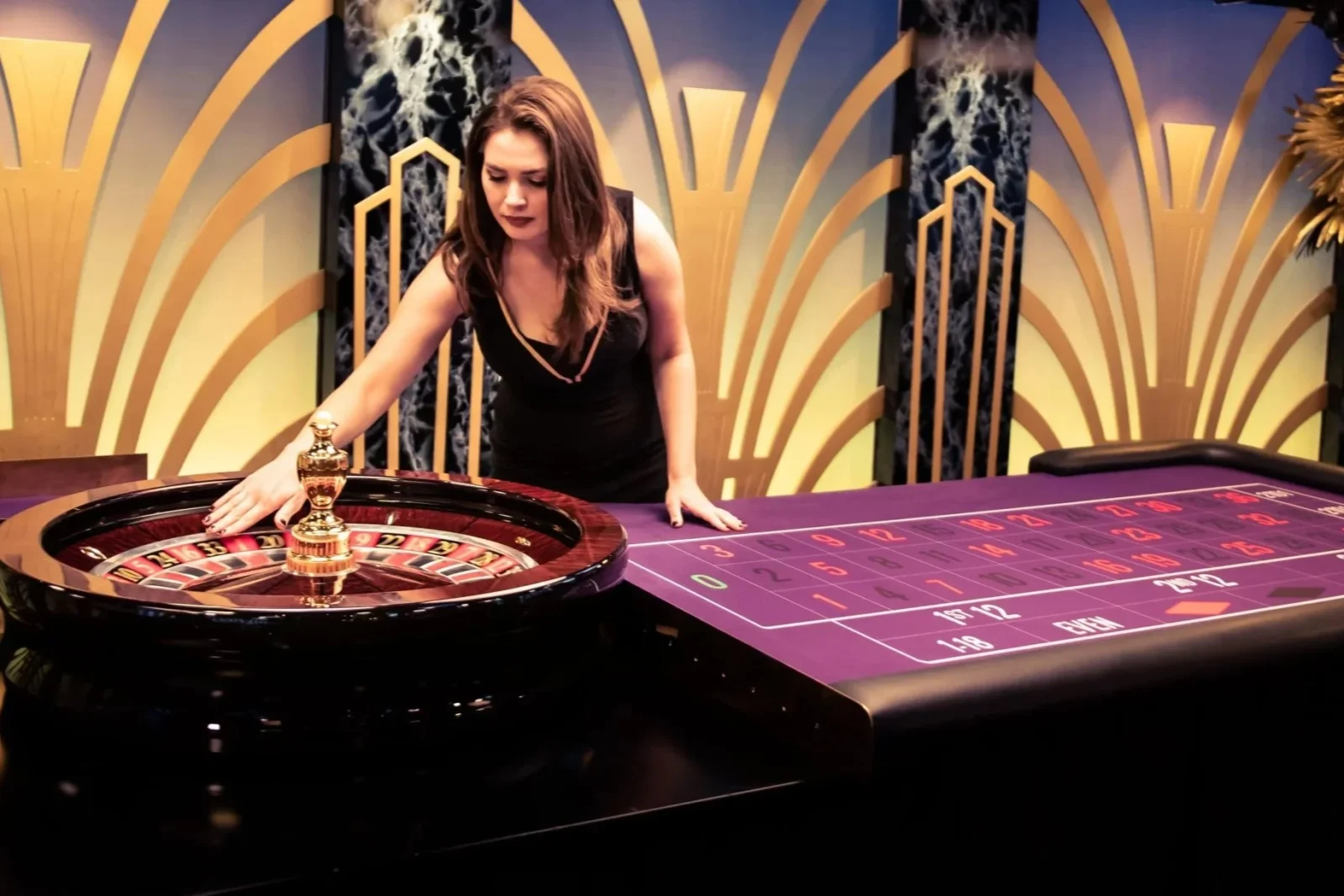
Optical recognition in bitcoin live roulette converts the ball’s physical resting position on the wheel into a verified winning number without requiring manual result entry at any point in the process. The system uses camera sensors positioned around the wheel to capture the ball’s final position at the moment it settles into a pocket, then processes the captured image data through a number identification function that maps the pocket to its corresponding number on the wheel layout. Reading the winning number through optical recognition rather than manual dealer input removes the possibility of human error or delay between the ball settling and the result being delivered to the player’s session interface. The output of this process is the winning number transmitted to the player’s session interface and used by the platform’s result processing function to evaluate all active wagers placed during the betting period for that round. In formats where the wheel spins continuously across consecutive rounds, the optical recognition system must complete its full capture, identification, validation, and transmission sequence within the interval between one ball settling and the next betting period opening.
Camera sensor placement
Camera sensor placement in a live roulette studio is determined by the requirement to capture every numbered pocket on the wheel within the system’s recognition range, regardless of where the ball settles.
- Sensors are positioned at a fixed angle relative to the wheel surface to maintain consistent image capture depth across all pocket positions.
- Multiple sensors cover overlapping zones of the wheel to ensure no pocket falls outside the capture range during a spin.
- Sensor height relative to the wheel is calibrated to the wheel’s specific pocket depth, so the image capture includes the full pocket interior rather than only the surface level.
- Sensor positions are verified against the wheel layout after any adjustment to the wheel’s physical position within the studio.
- Overlapping sensor coverage means that if one sensor’s capture is obstructed during a spin, an adjacent sensor’s image data can be used to complete the recognition sequence without interrupting result delivery.
Number recognition sequence
Number recognition follows a defined sequence after the ball settles.
- The camera sensors capture the ball’s resting position at the moment lateral movement stops. The capture is triggered automatically by the system’s motion detection function rather than by manual initiation from the dealer or studio operator.
- The captured image is processed through the recognition function, which identifies the pocket boundaries in the image and matches the ball position to the corresponding pocket number on the wheel layout map stored in the system.
- The identified number is validated against the wheel layout map a second time before transmission to confirm the recognition output is consistent across both passes. A mismatch between the two passes triggers a reprocessing cycle rather than transmitting an unconfirmed result.
- The validated winning number is transmitted to the session interface and to the platform’s result processing function simultaneously, triggering the wager evaluation sequence for that round without requiring any manual confirmation from the dealer before the evaluation begins.
Optical recognition reads the winning number in live roulette through a fully automated sequence that begins at ball settlement and ends at wager evaluation, with no manual entry point between the physical outcome and the verified result the player receives on screen.