

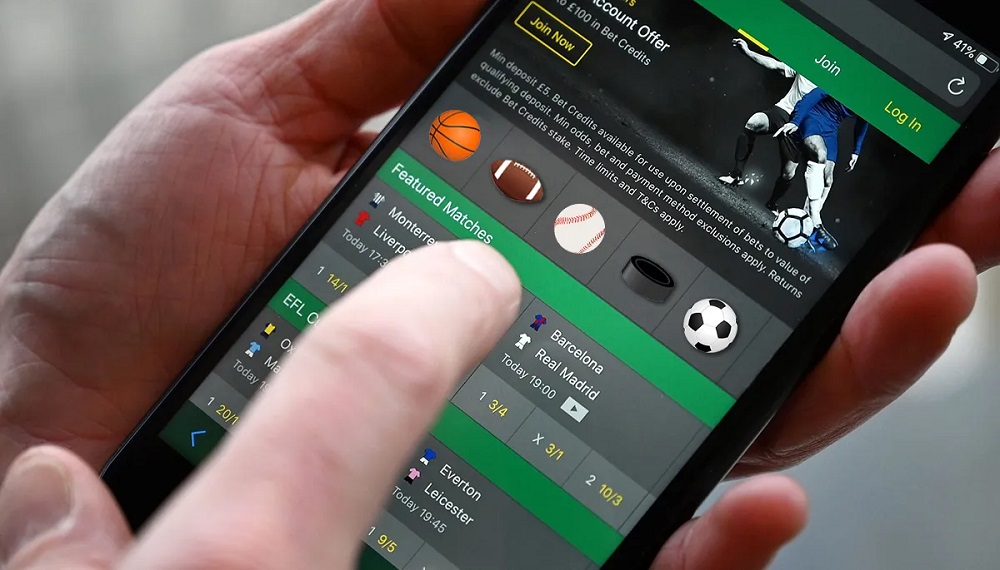
The global betting industry has officially moved past the era of physical sportsbooks and desktop-bound wagering interfaces. Driven by rapid advancements in cellular technology, shifting consumer expectations, and a massive wave of global regulatory modernization, mobile applications have become the definitive focal point of the gambling ecosystem. With more than 1.8 billion sports bettors worldwide utilizing a smartphone as their primary wagering tool, native software design is no longer just an additional channel for operators. It is the core engine driving the entire market.
As the digital landscape evolves, mobile applications are redefining the structural relationship between the player and the platform. By integrating artificial intelligence, real-time data streaming, localized fintech solutions, and advanced biometric security, modern apps have shifted betting away from static, transactional experiences. Instead, they have cultivated an era of high-frequency, immersive, and hyper-personalized digital entertainment that operates seamlessly in the palm of a user’s hand.
The Core Technical Drivers of Mobile Dominance
The unprecedented migration toward mobile betting software is underpinned by key structural technologies that have dramatically lowered the barrier to entry while elevating user engagement metrics.
Seamless Real-Time In-Play Modules
Historically, placing a sports bet required anticipating outcomes hours or days before an event commenced. Mobile applications have entirely shattered this paradigm through the implementation of micro-betting and live, in-play wagering modules. Powered by low-latency data feeds and advanced API architectures, contemporary applications update betting markets and point spreads incrementally as the physical action unfolds on the field.
Bettors can wager on fractional, immediate occurrences—such as whether the next pitch in a baseball game will be a strike, or which player will score the next point in a basketball match. This continuous loop of action requires massive computational infrastructure, rendering traditional desktop browsing obsolete compared to highly optimized, native mobile execution.
Integrated Live Streaming and Media Synthesis
Modern mobile wagering tools function as unified media hubs. Leading operators frequently embed high-definition, live broadcasting rights directly within the application interface. This synchronization allows users to watch the sporting event and monitor shifting market fluctuations on a single, split-screen mobile viewport.
By eliminating the necessity of bouncing between a television screen and a web browser, mobile apps reduce user friction, maximize session duration, and capture real-time intent at the absolute peak of emotional engagement.
Hyper-Personalization Through Predictive Intelligence
The future of mobile betting relies heavily on transitioning away from generic, uniform application layouts toward bespoke software environments that actively adapt to the individual behavior of each user.
Customized Interface Architectures
Every interaction within a mobile betting application generates an extensive analytical footprint. Sophisticated machine learning algorithms embed within the application backend to continuously monitor user preferences, favored sporting categories, average stake velocity, and typical login schedules.
If a user exclusively wagers on professional basketball on weekend evenings, the application dynamically reconfigures its primary dashboard upon launch, highlighting upcoming basketball markets, personalized prop bet suggestions, and tailored promotional offers. This hyper-focused curation saves time for the consumer and significantly elevates platform retention metrics.
Dynamic Odds Personalization
As artificial intelligence models mature, personalization is moving past basic promotional banners into the core pricing structure of the sportsbook. Algorithmic engines are beginning to facilitate real-time, customized prop bet generators.
The software assesses a player’s historical risk profile and preferred play style to construct unique, personalized wagering opportunities that align precisely with their analytical habits, offering a customized level of software interaction that traditional platforms could never support.
Fintech Integration and Frictionless Transactional Flows
The commercial viability of any digital wagering system relies heavily on the velocity and security of its payment infrastructure. Mobile applications utilize specialized mobile banking integrations to eliminate transaction anxiety.
-
Biometric Financial Processing: By leveraging hardware-native security features like facial recognition and fingerprint scanning, mobile apps allow users to execute secure deposits and instant withdrawals in seconds, bypassing the tedious process of manually inputting credit card or bank routing numbers.
-
Alternative Payment Ecosystems: Modern applications feature deep compatibility with localized digital wallets, peer-to-peer payment networks, and decentralized blockchain systems. This flexibility ensures that operators can seamlessly cater to regional fintech preferences across international borders.
-
Instantaneous Payout Execution: Driven by intensive competition, mobile platforms utilize advanced automated clearing house rails to process winning withdrawals almost instantly, transforming a multi-day waiting period into a real-time reward loop.
Navigating the Multichannel Future and Spatial Tech
As the mobile space matures, developers are expanding their strategic vision past standard, standalone smartphone applications toward an integrated, multi-platform environment.
The industry is moving toward an architecture where the mobile app serves as a centralized identity core that connects smoothly with external digital ecosystems. This includes the integration of smart wearables, allowing users to receive immediate score updates, cash-out alerts, and fractional wagering prompts directly on their smartwatches without needing to unlock their phones.
Furthermore, the rollout of spatial computing platforms and advanced augmented reality hardware is creating a new design frontier. Designers are developing applications that overlay real-time betting analytics, historical player statistics, and live tracking graphics directly onto a user’s view of a live sporting event, turning the immediate physical environment into an interactive, high-tech sportsbook.
Balancing Technical Prowess with Proactive Safeguards
The immense accessibility and fast-paced nature of mobile applications place a profound ethical and regulatory responsibility on developers to embed robust consumer protection frameworks directly into the application user experience.
Rather than relying on retroactive human intervention, modern mobile software utilizes predictive behavioral tracking to actively monitor for early indicators of compulsive gambling. If the internal system detects sharp deviations from established patterns—such as a player rapidly accelerating deposit frequency in the middle of the night or aggressively chasing losses—the software can initiate automated interventions.
These include serving real-time reality check pop-ups, limiting access to high-velocity in-play markets, or dynamically locking the account for a temporary cooling-off window. By utilizing mobile architecture to enforce safety boundaries, operators ensure the long-term health and sustainability of their consumer base.
Frequently Asked Questions
Why do mobile betting applications require explicit access to device location services?
State and international regulations strictly dictate where online wagering is legally permitted. To comply with these severe statutory mandates, mobile apps integrate highly advanced geolocation software modules. The application must continuously scan nearby Wi-Fi network arrays, cellular tower connections, and global positioning data to definitively verify your exact physical coordinates before permitting a transaction. If you disable location services or attempt to utilize a virtual private network to mask your position, the application will automatically block all wagering capabilities.
How do native mobile betting applications compare to standard responsive web browsers?
Native applications developed specifically for iOS or Android provide a structurally superior experience compared to mobile responsive websites. Native software utilizes the dedicated processing power of the smartphone hardware, resulting in significantly faster load times, smoother graphical transitions, and ultra-low latency data transmission. Furthermore, native apps can leverage device-specific assets like biometric authentication and push notification architectures, which web browsers cannot execute with identical efficiency.
What happens to an active live wager if my mobile phone suddenly loses cellular connection?
Once a wager is officially confirmed by the platform server, it is permanently locked into the system, regardless of what happens to your physical device. If your connection drops due to a dead zone or a dead battery while a match is ongoing, the wager remains active and will resolve normally based on the final official event data. Any accrued winnings will be safely credited to your account balance, which you can verify as soon as you restore data connectivity.
How do app stores regulate the distribution of real-money gambling applications?
Digital application marketplaces maintain exceptionally strict, constantly shifting compliance boundaries for real-money gaming software. Operators must prove they possess valid operational licensing for the exact geographic territory where the app is downloadable. Additionally, developers must implement comprehensive age-verification protocols and robust geo-fencing protections within the codebase before the application can clear review queues, ensuring minors and restricted regions are completely locked out.
Can I manage multiple currencies or payment profiles within a single mobile betting app?
Yes, contemporary enterprise-grade betting software is engineered to facilitate multi-currency and multi-profile financial management. If you travel across legally regulated regions or hold international payment mechanisms, the application account portal allows you to link diverse digital wallets, bank links, and credit systems, automatically executing the appropriate regional currency conversions and complying with localized tax withholding laws based on the jurisdiction of play.
Do mobile betting applications consume excessive cellular data during live games?
Engaging in standard text-based pre-match wagering utilizes minimal cellular data. However, if you actively participate in live, in-play wagering rooms that feature continuous odds updates, real-time statistical trackers, and integrated high-definition live video streaming, your data consumption will increase substantially. For the most stable connection and to avoid potential carrier overage charges, it is universally recommended to utilize a secure Wi-Fi network during extended live tracking sessions.